BEHAVE project going from Novo mesto to Bodø: Arctic synergies for circular change
date: 20. 02. 2026
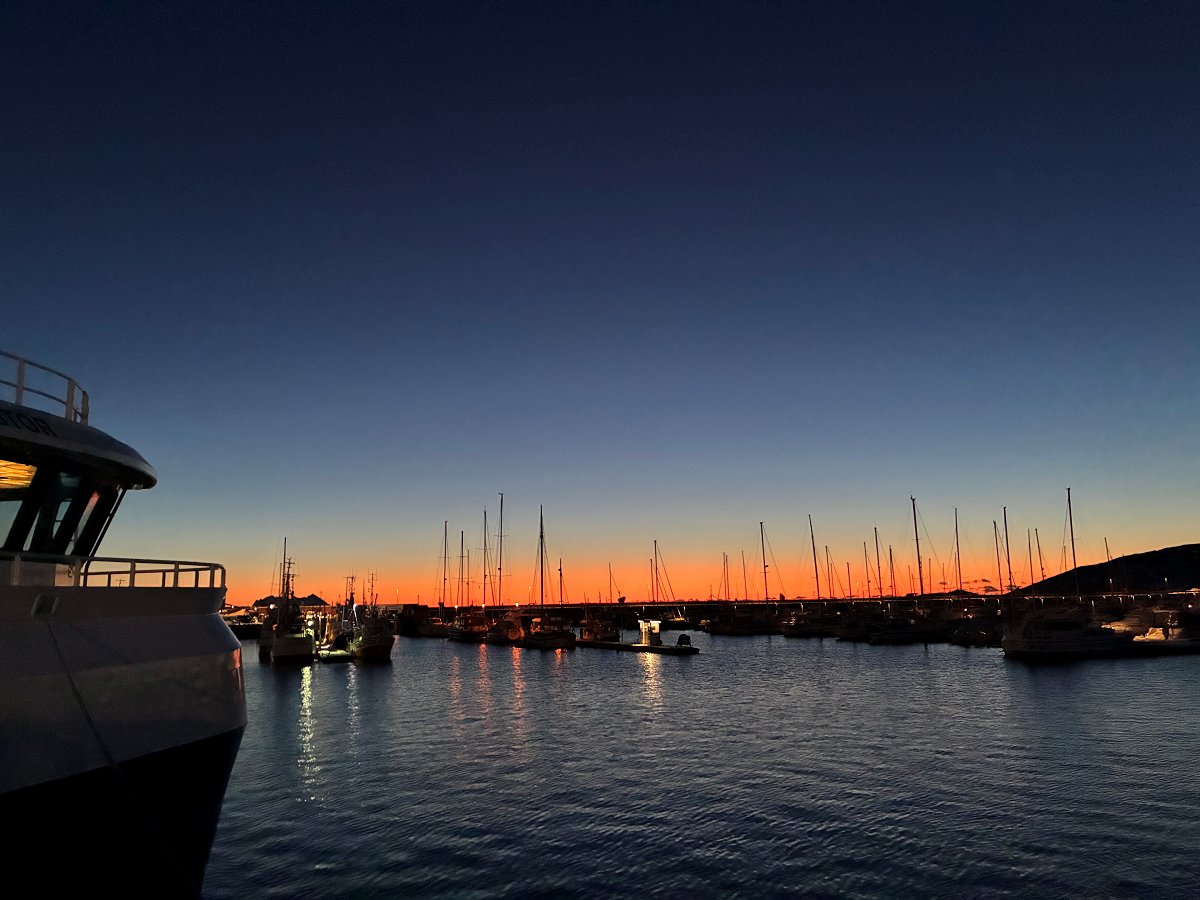
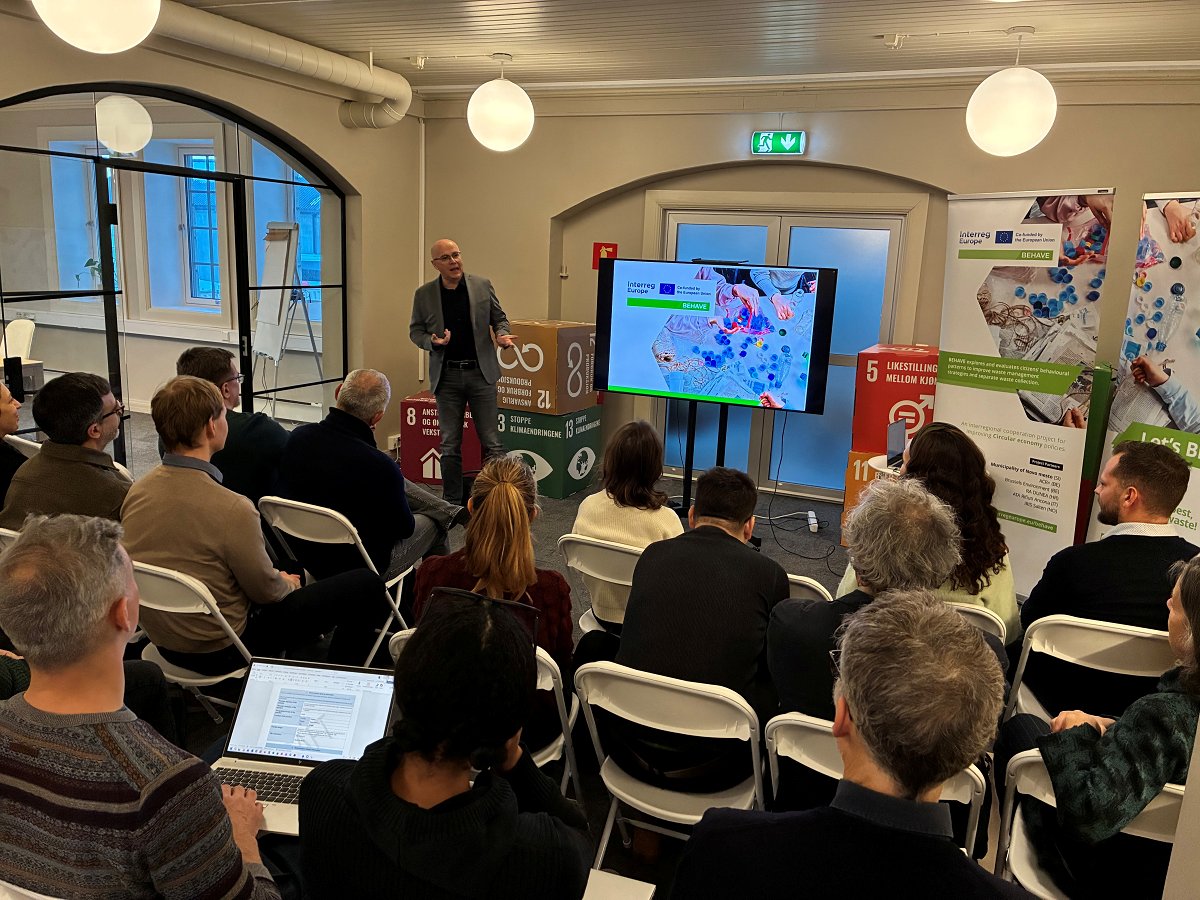
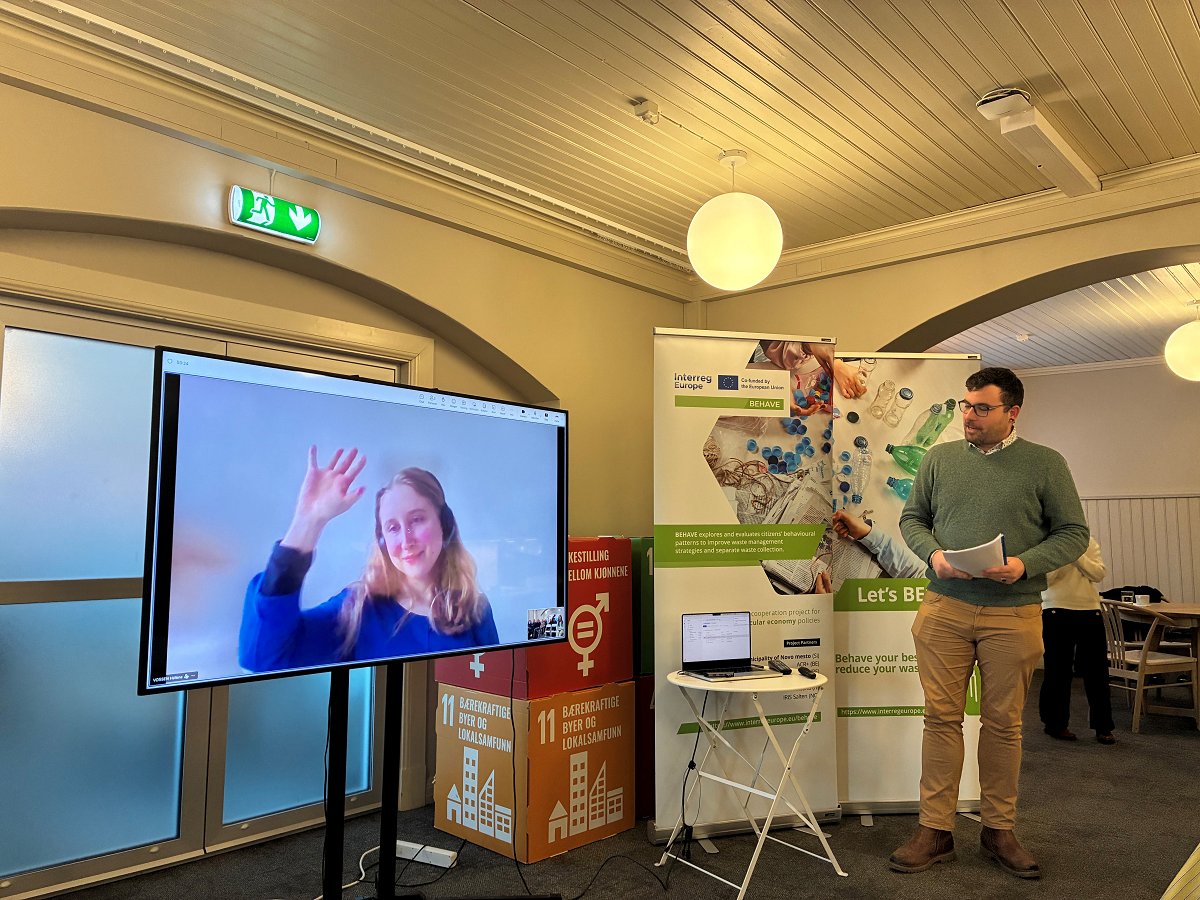
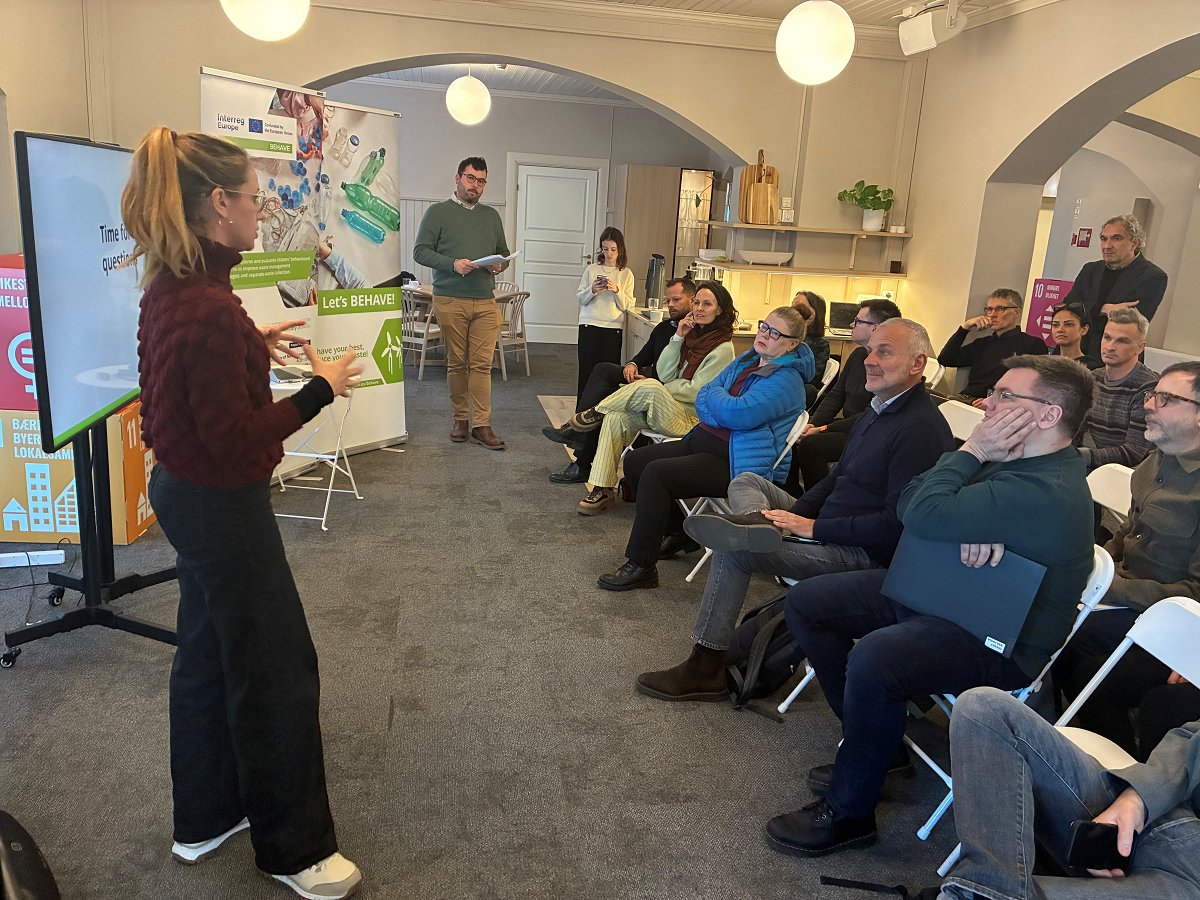
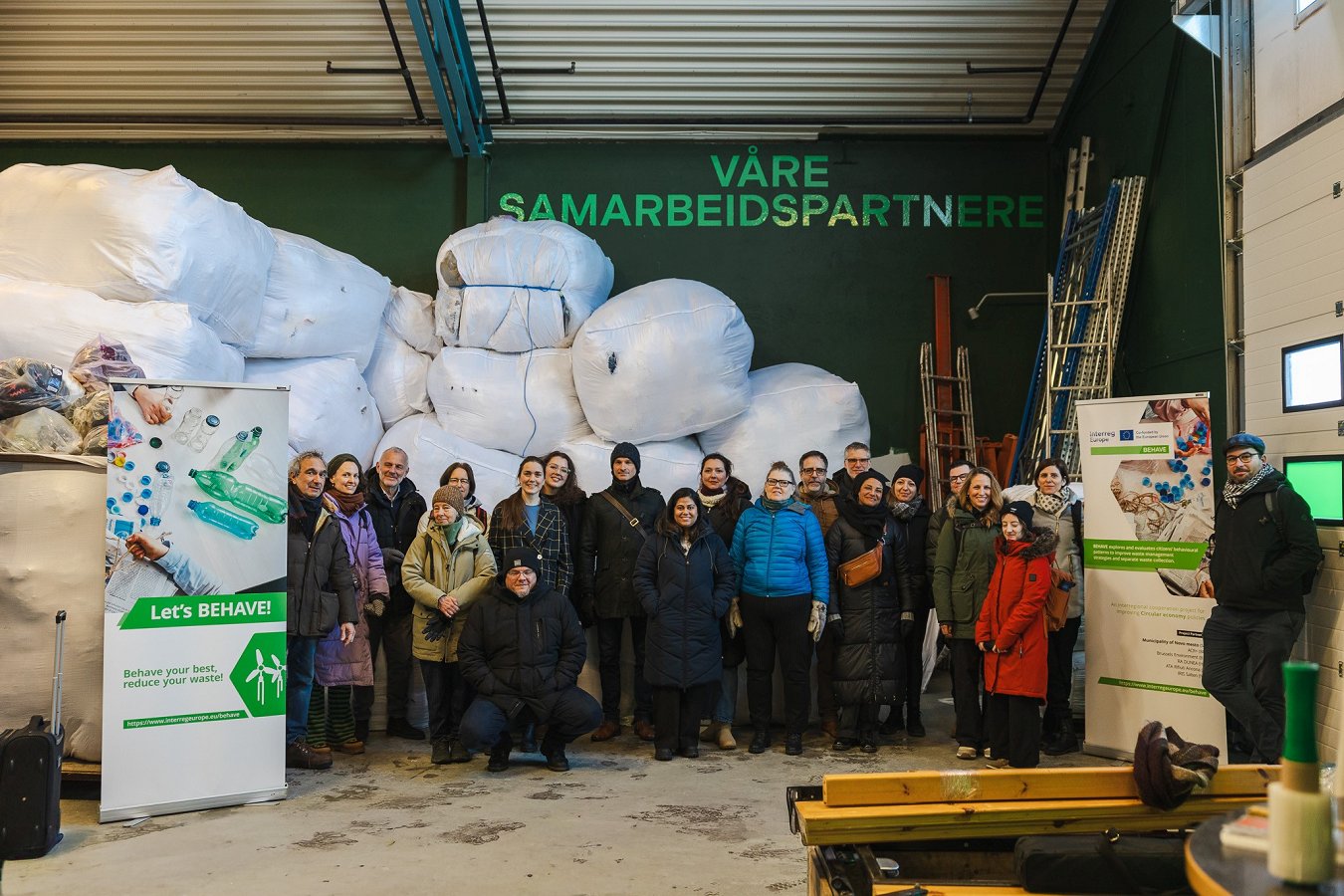
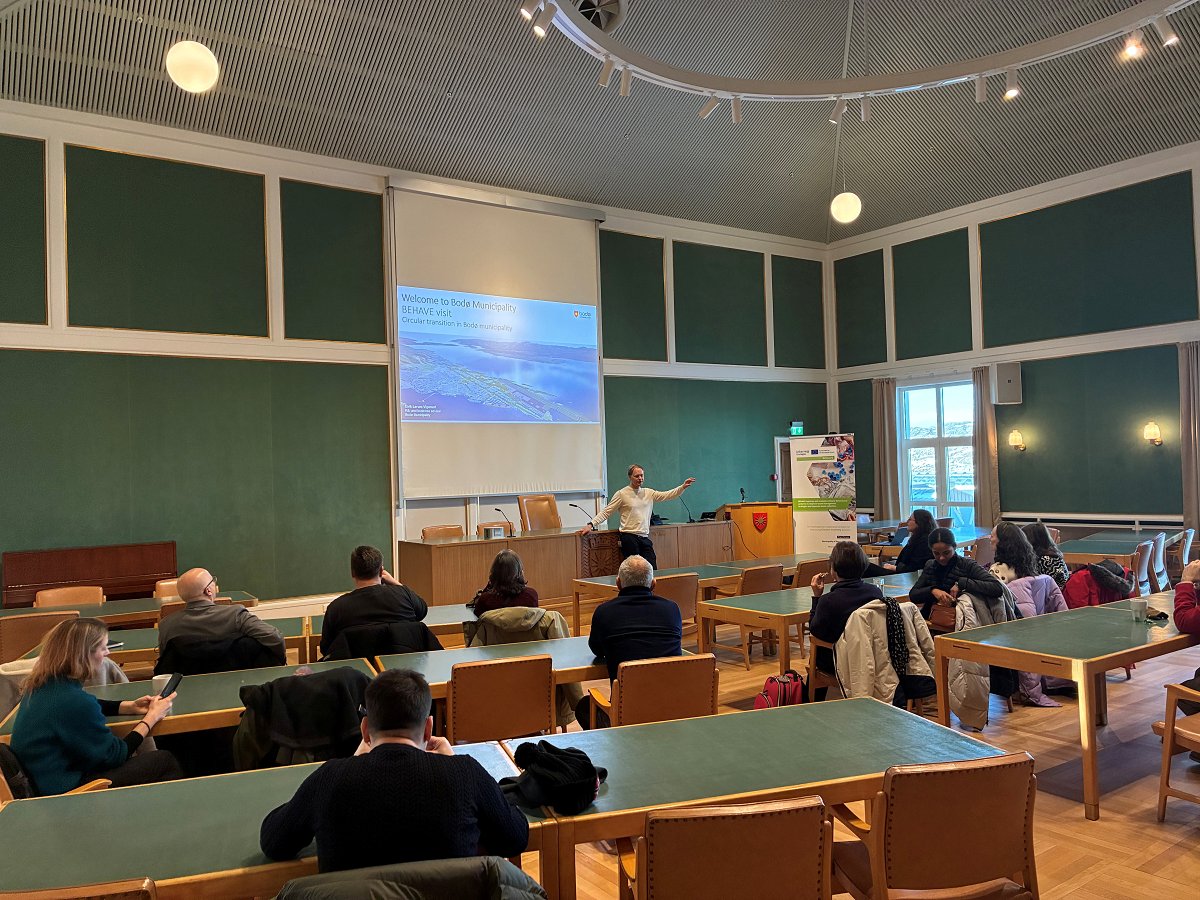
The BEHAVE project, led by the Municipality of Novo mesto, advanced its exploration of behavioural science in waste management during a two-day study visit and workshop in Bodø, Norway, on 10–11 February 2026. Hosted by project partner IRIS Salten, the event brought partners together beneath the northern lights, a backdrop reflecting the energy, openness, and collaboration of the gathering.
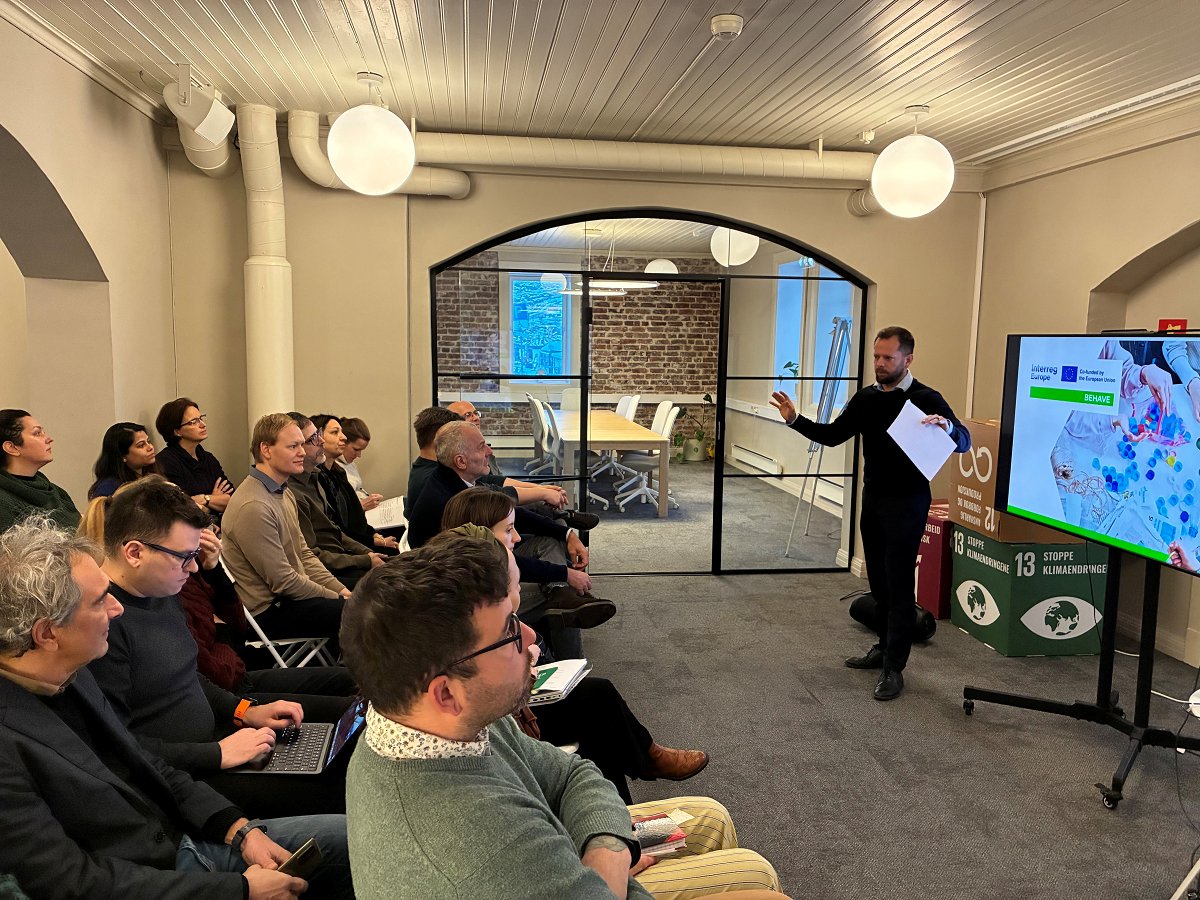
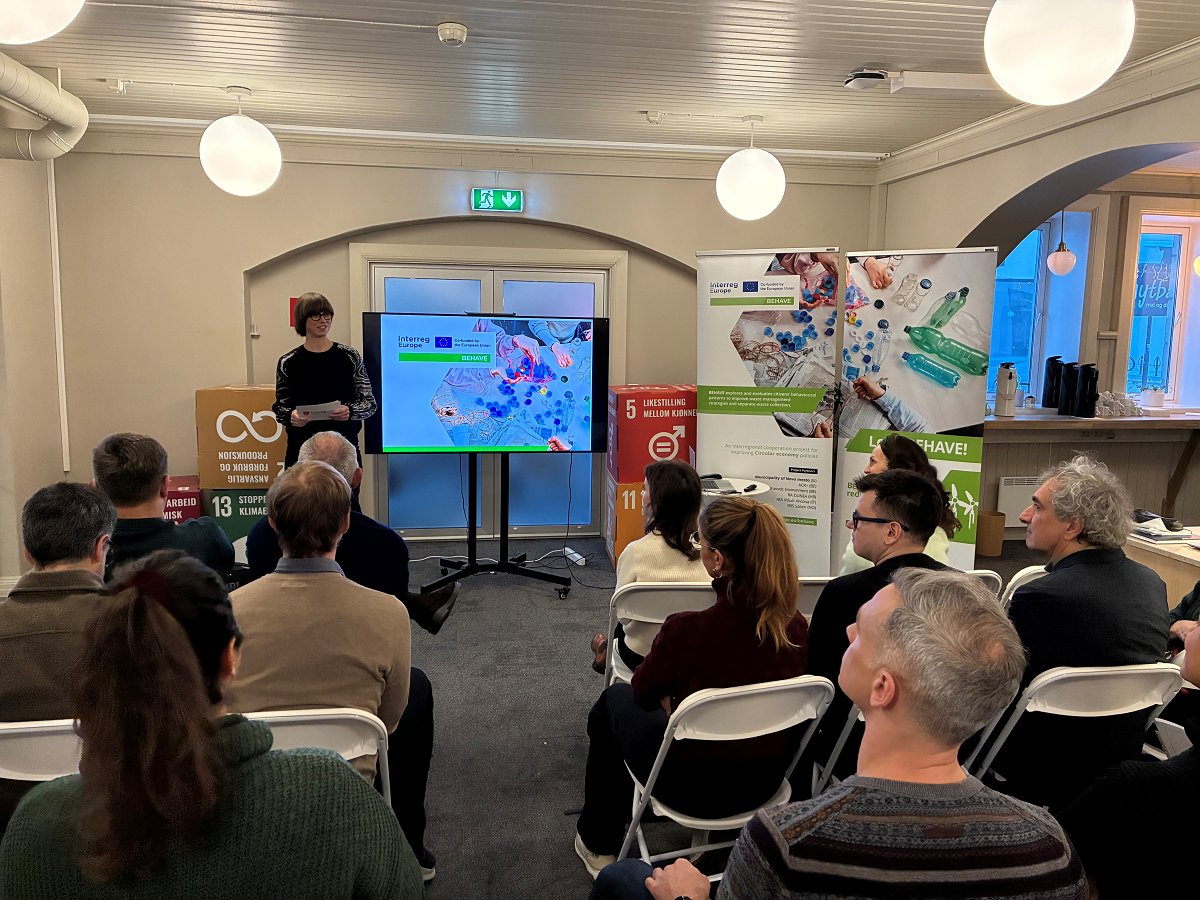
The workshop was opened by Ida Gudding Johnsen, Vice Mayor of Bodø, and Peter Geršič from the Municipality of Novo mesto, the Lead Partner of the BEHAVE project. Representatives from Brussels Environment, ATA Ancona, DUNEA – Dubrovnik–Neretva County Development Agency, ACR+, and guest cities Brugge and Copenhagen participated in a programme combining knowledge exchange, field visits, behavioural insight sessions, and gender inclusion training.

Complementary approaches shaping a shared vision
Despite diverse contexts, discussions revealed strong alignment in partners’ approaches to modern waste management. Key focus areas included how behavioural insights, infrastructure design, regulation, and user-centred solutions reinforce each other to build effective circular systems.
- Concrete examples brought these synergies to life:
- IRIS Salten redirects construction materials from incineration to reuse through a dedicated centre and an online reuse marketplace.
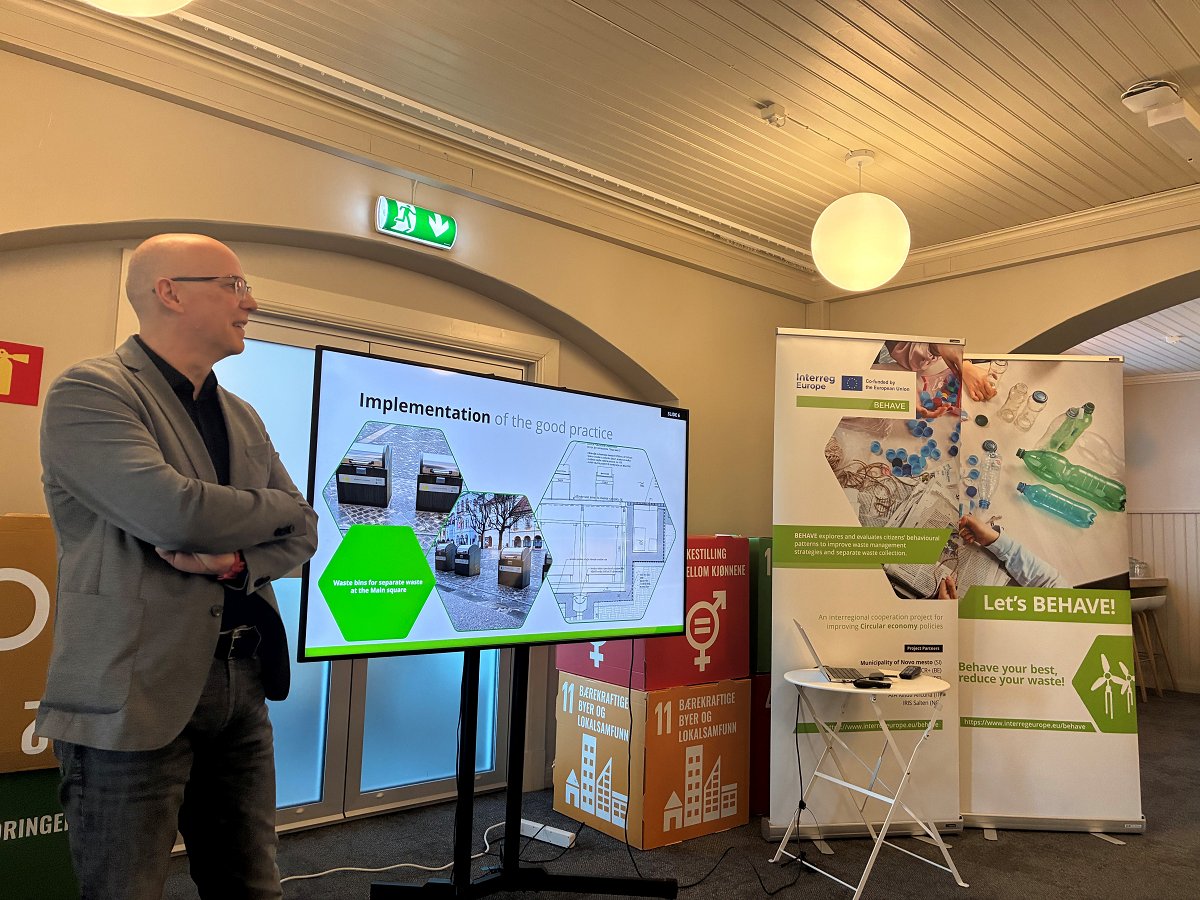
- Novo mesto protects architectural heritage and achieves an 80% waste separation rate through underground, coded-access waste containers.
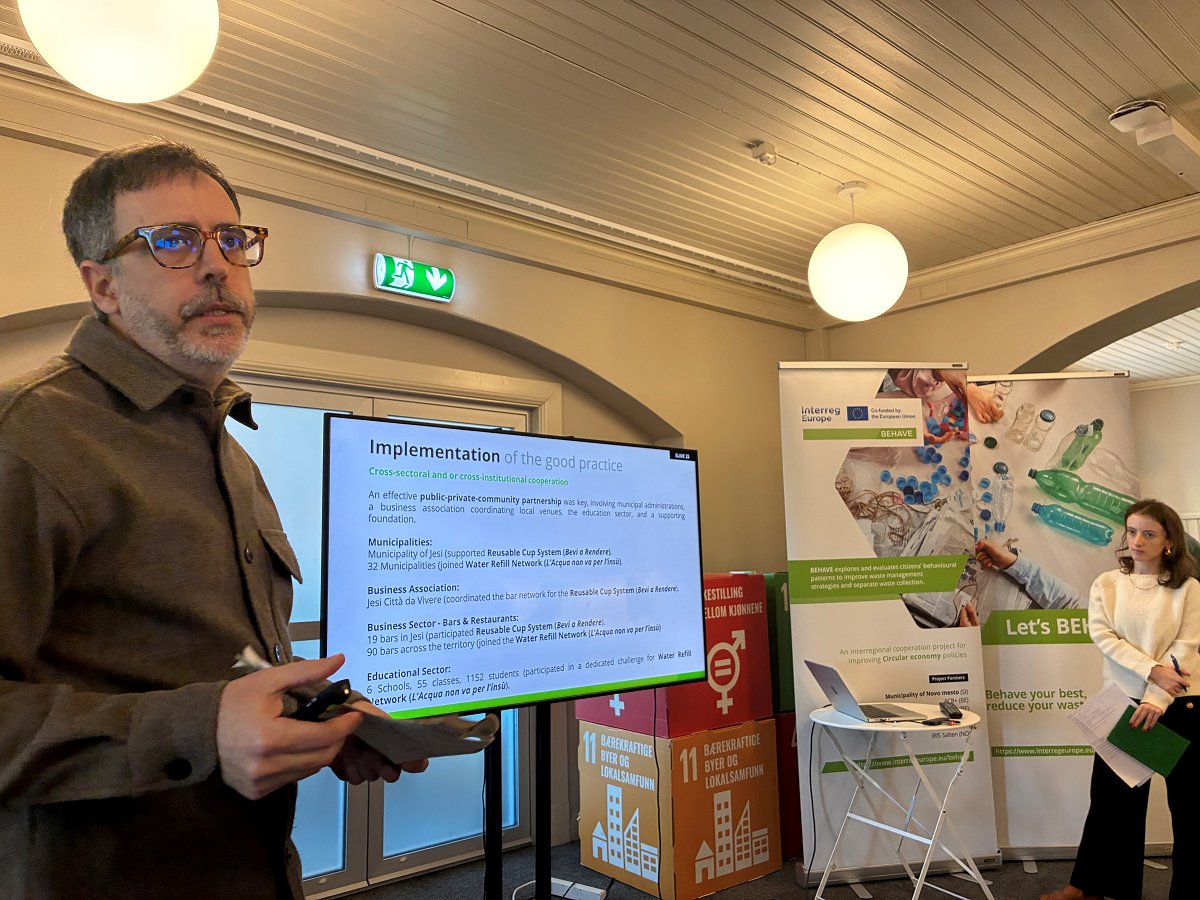
- ATA Ancona operates a reusable cup deposit system and connects it with a regional refill water network.
- DUNEA engages visitors in circular practices in Mljet National Park through the ECO BOX initiative, while Maritimo Recycling project demonstrates circular entrepreneurship with recycled “Floaties” sunglasses.
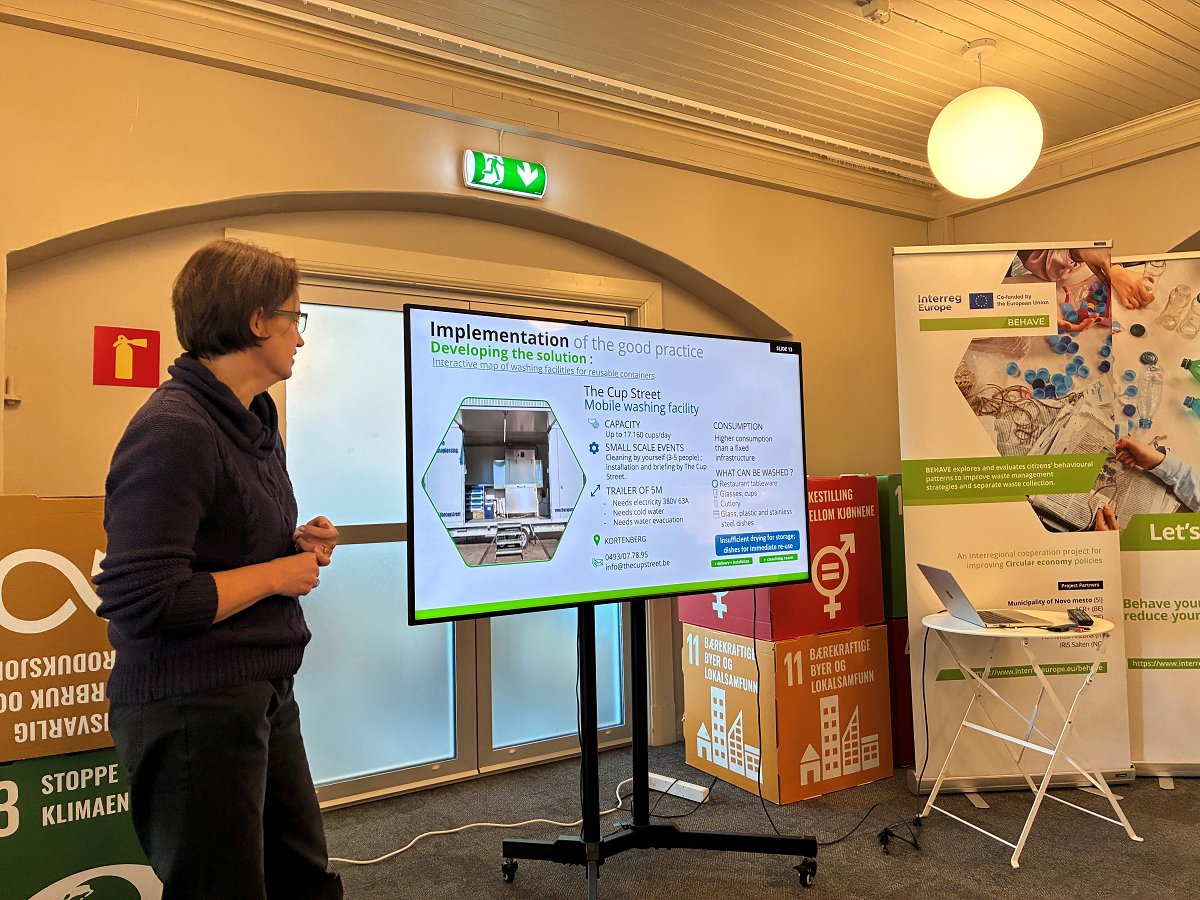
- Brussels Environment supports 70+ events with a Waste Sorting Toolkit and a reusable packaging support system that combines mandatory requirements with practical tools such as helpdesks, decision trees, washing facility maps, and supplier lists.
These examples highlight complementarities across partner regions, from heritage-sensitive infrastructure and user-centred design to visitor engagement, regulatory tools, circular business models, and reuse-driven systems.
Added value from guest cities: Brugge and Copenhagen
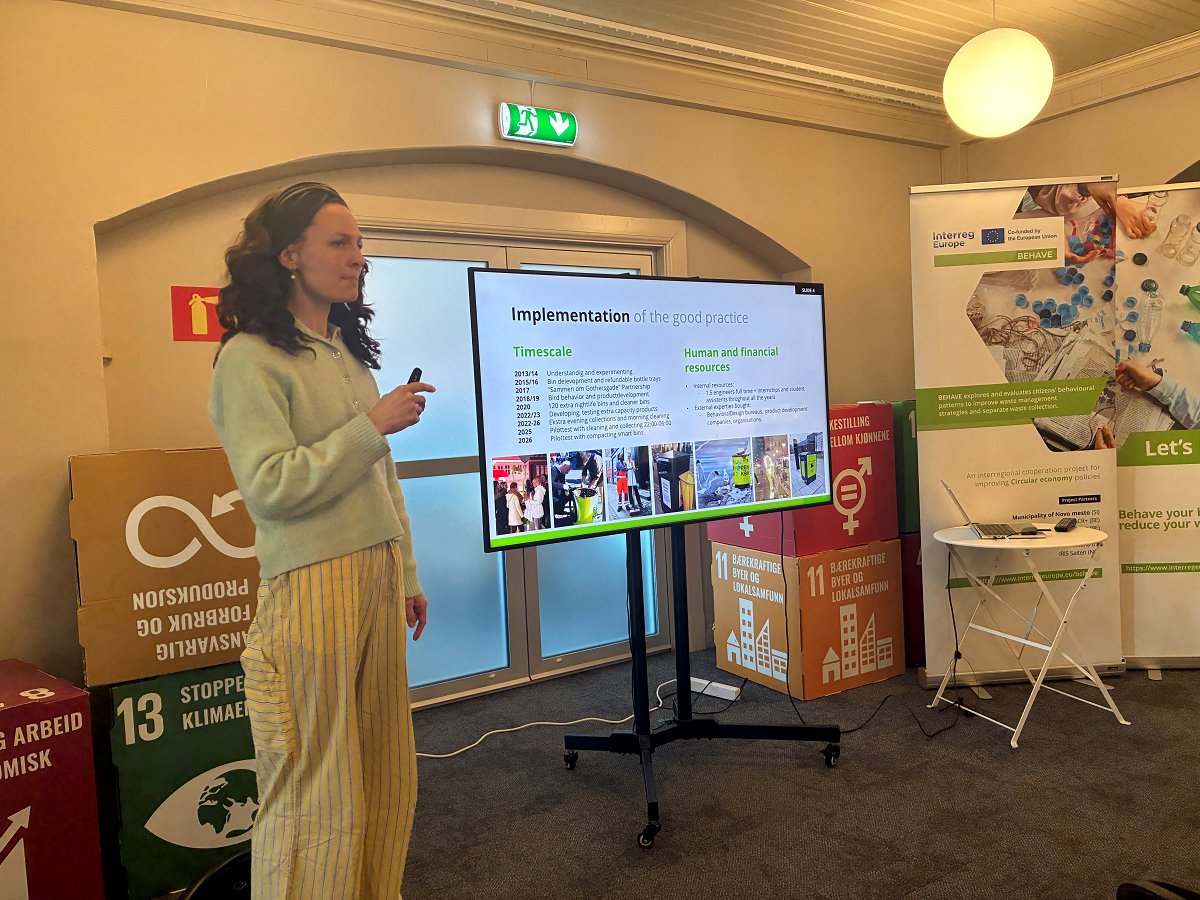
Guest cities offered valuable external perspectives. Copenhagen presented its 13-year behavioural design transformation of nightlife waste management, achieving a 53% reduction in litter and improved working conditions for cleaning staff through observation, prototyping, user feedback, and product development.
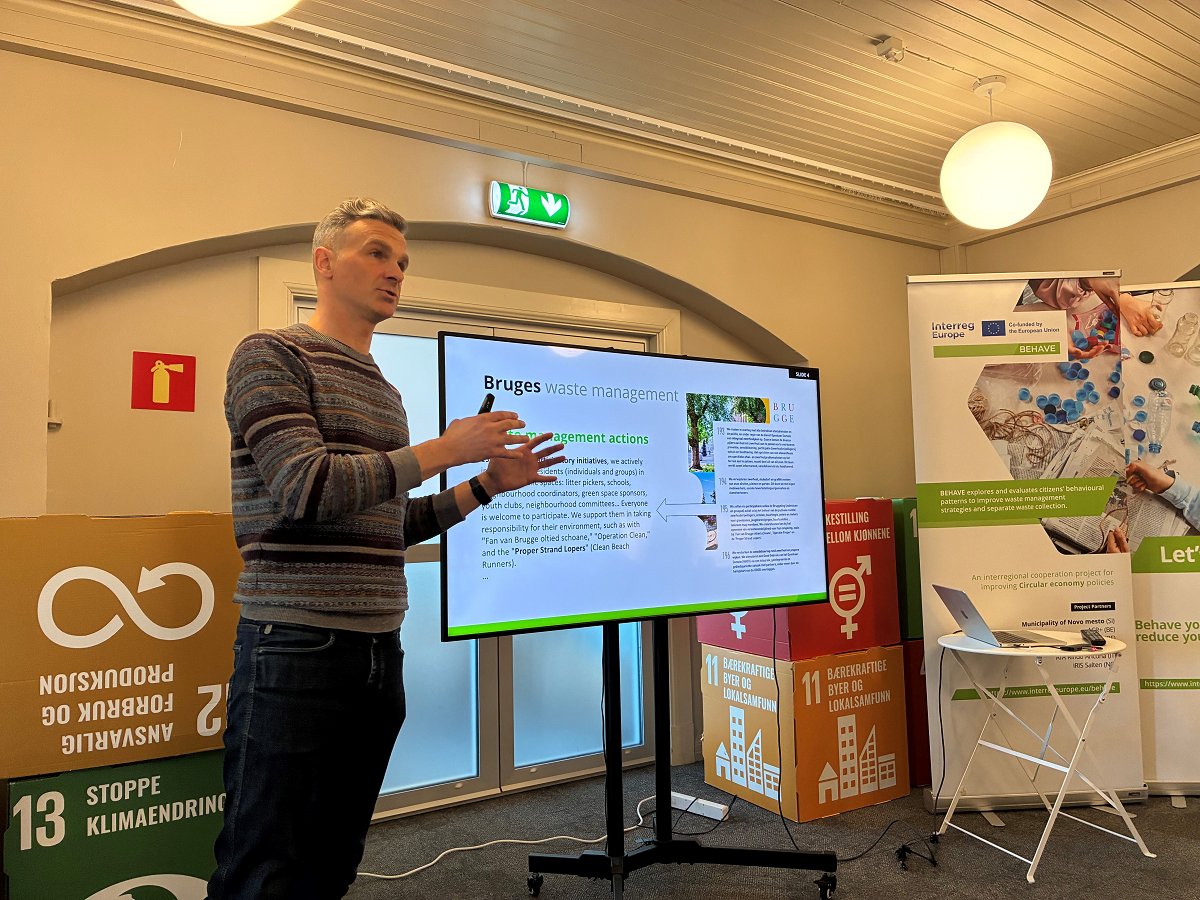
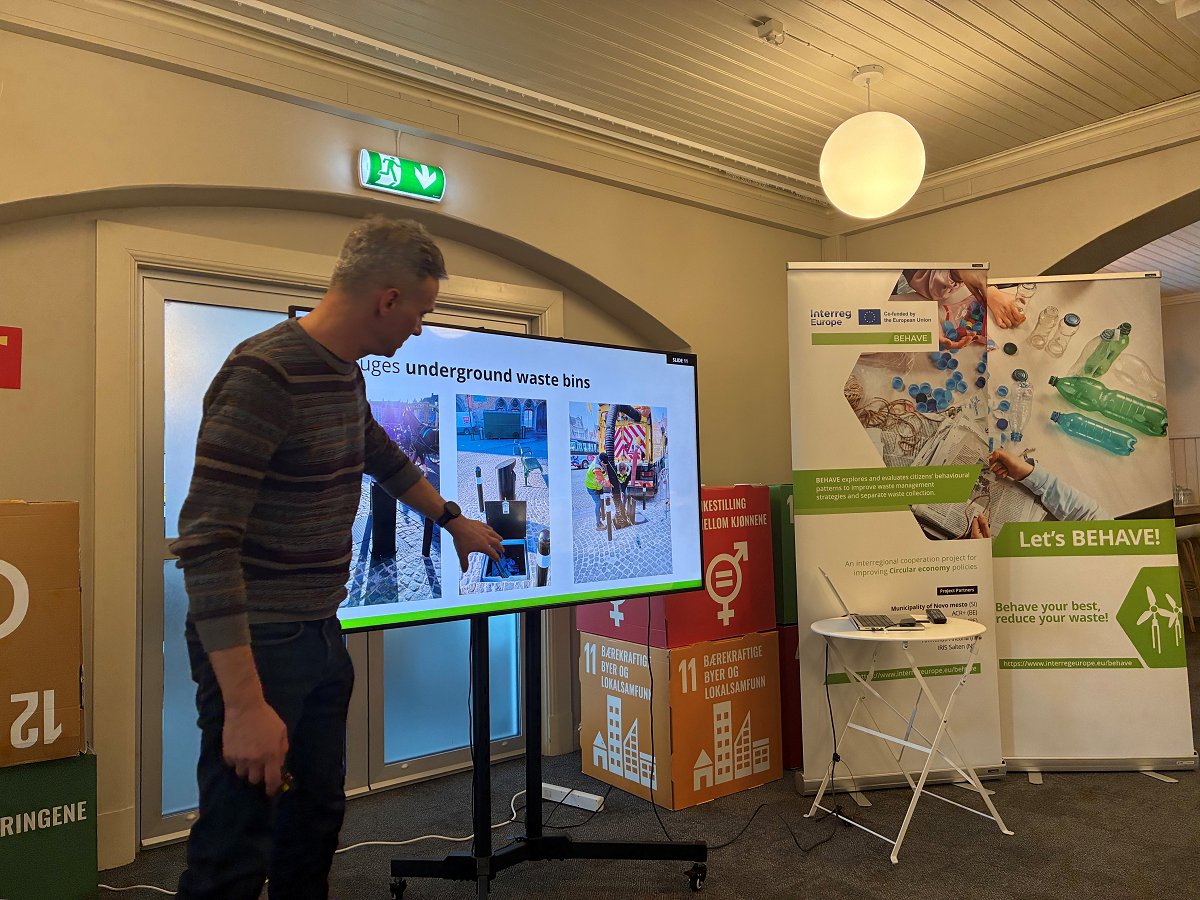
Brugge demonstrated the benefits of underground waste systems in high-density urban areas. Replacing 40 above-ground bins with 24 underground units increased capacity from 4,000 to 24,000 litres while maintaining city centre cleanliness and efficiency.
Both cities showed how targeted behavioural and infrastructural interventions increase compliance, improve sorting quality, and enhance urban experience, inspiring BEHAVE partners to transfer lessons to upcoming pilots.
Gender and inclusion: core to behaviour change strategies
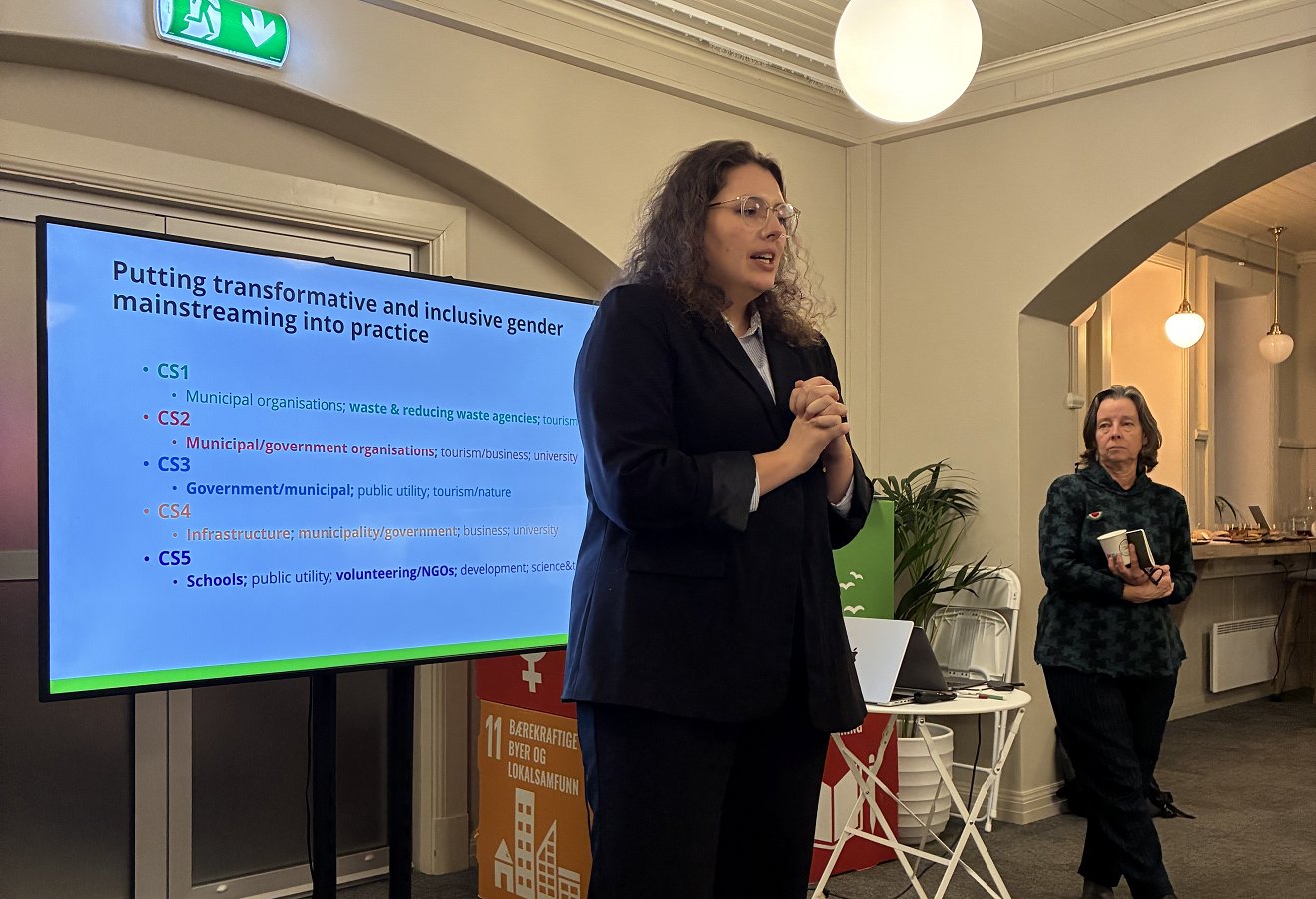
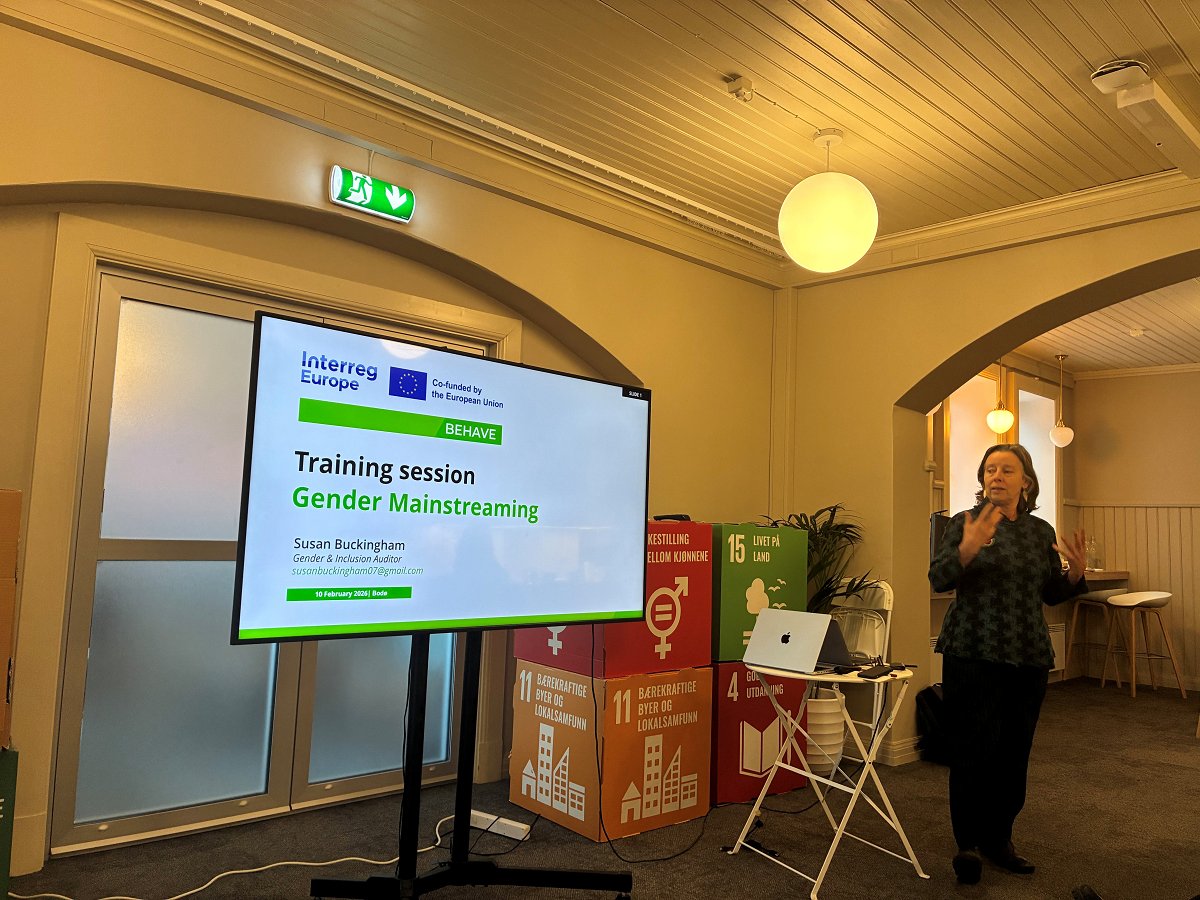
A training session led by Dr. Susan Buckingham, the project’s gender auditor, equipped partners with tools to design inclusive, equitable, and responsive interventions. Partners highlighted how these elements are crucial for circular policies that are environmentally effective, socially just, and widely accepted.
Advancing policy improvements and behavioural research
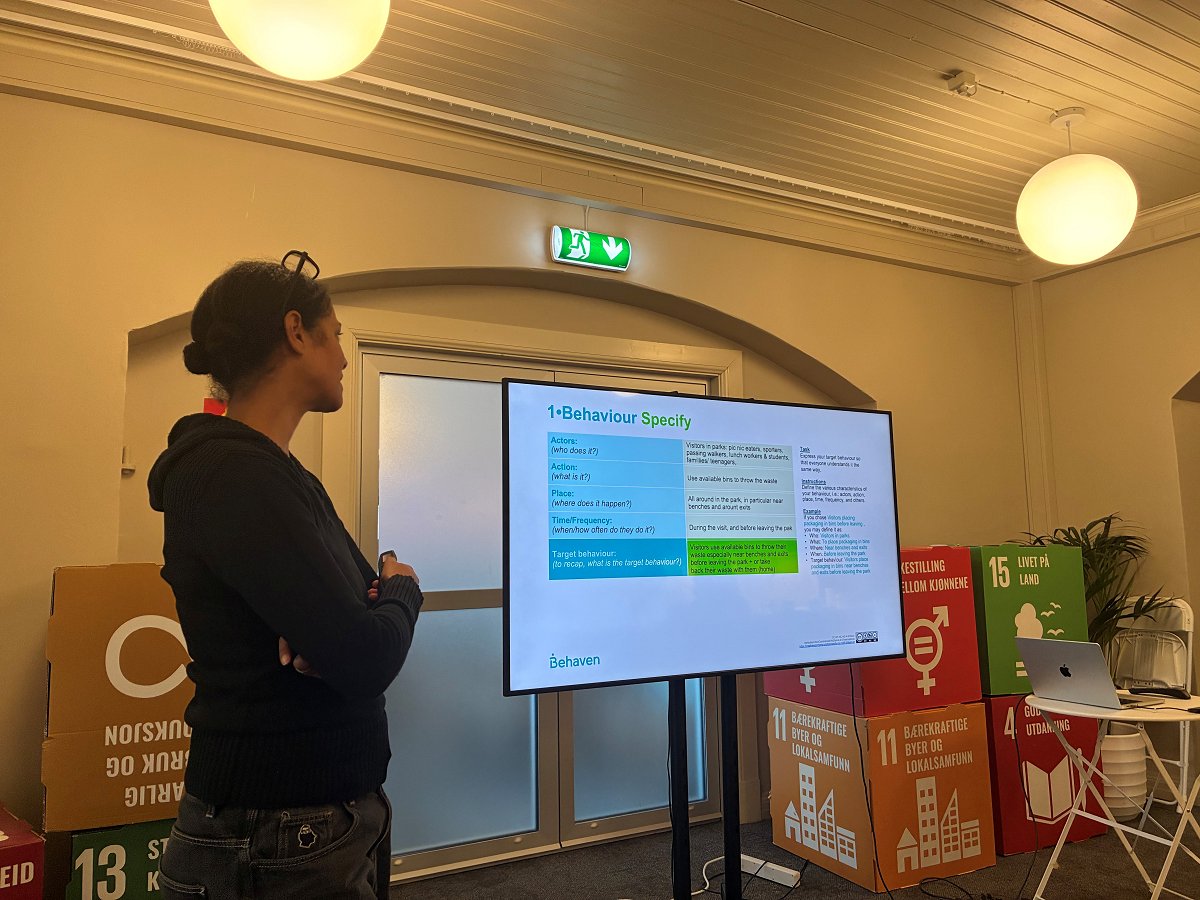
Partners also worked collectively on their circular‑economy policy improvements and refining the behavioural research framework developed by Behaven (Brussels). This methodology will guide partners in collecting rigorous empirical data on habits, social norms and behavioural barriers in their regions.
Study visits: Reuse centre and local circular practices
A key component of the Bodø visit were site tours showcasing local circular economy infrastructure. The programme included visits to IRIS Salten’s reuse centre, a practical facility where construction materials are collected, stored, and prepared for reuse—illustrating how reuse logistics and local markets can divert valuable materials from waste streams into circular loops.

Partners also explored Bodø municipality’s ongoing circular and climate initiatives, gaining insights into integrated approaches to waste, energy, and urban planning tailored to northern European contexts.
An event shaped by energy—and northern lights magic!
Beyond the formal agenda, the study visit left a strong emotional impression. Participants praised IRIS Salten’s organisation and the warm collaboration. The northern lights added symbolic resonance to an already inspirational gathering.

Looking ahead
With renewed motivation and shared vision, BEHAVE partners continue advancing behaviour-driven circular economy policies. The next partnership meeting will take place in June 2026 in Dubrovnik.
Stay updated with the project’s progress through the BEHAVE newsletter.