BEHAVE project: Designing waste prevention through behaviour in Novo mesto
date: 27. 03. 2026
Behaviour, not just bins, shaped the first BEHAVE stakeholder meeting in Novo mesto. Participants explored how habits, social norms and design influence waste prevention, and why public spaces and events fail when behaviour is overlooked.
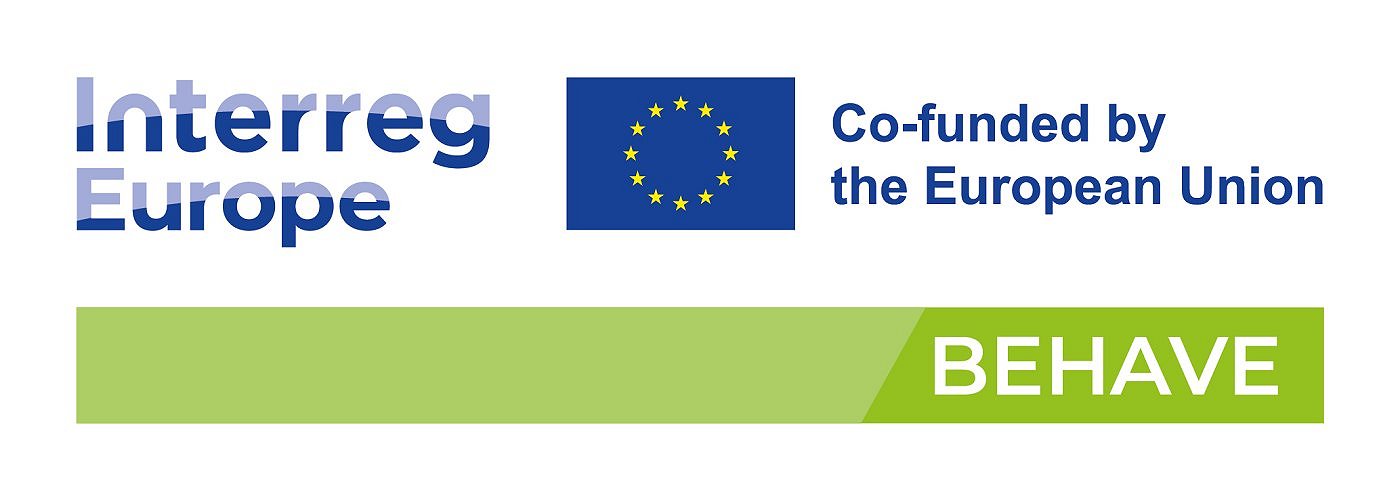
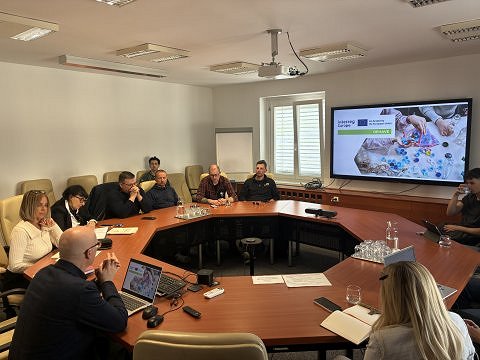
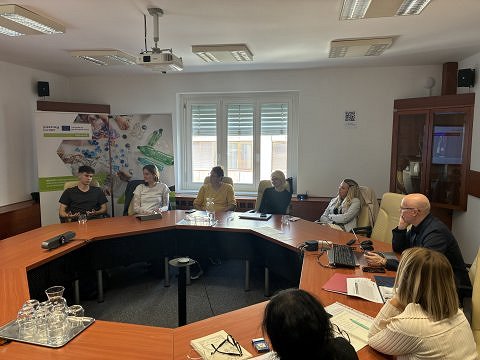
On 25 March 2026, the Municipality of Novo mesto hosted the first local stakeholder meeting of the BEHAVE project. The meeting marked the starting point of structured stakeholder engagement in the region, with a clear focus on how behavioural patterns influence waste prevention in everyday settings. Rather than concentrating solely on technical solutions, the discussion centred on the role of habits, social norms and environmental design in shaping responsible behaviour in public spaces and at public events.
Bringing practice into policy discussions
The meeting brought together stakeholders from organisations that directly observe and shape daily behaviour: the education sector (kindergartens, primary and secondary schools), public service providers responsible for waste management, cultural and event-related institutions, development organisations and civil society.
This diversity ensured that the discussion was grounded in practical experience, ranging from early childhood education to large public events. The exchange aimed to identify what works in real-life situations and which obstacles continue to undermine waste prevention efforts despite good intentions.
Early habits make a lasting difference
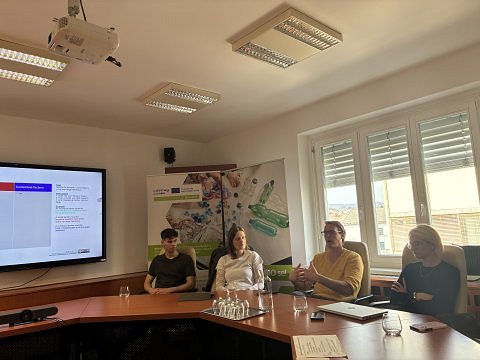
Representatives from educational institutions highlighted the importance of early learning, preparation and routine. They emphasised that children respond better to clear expectations and consistent practices than to abstract messages about sustainability.
Several examples showed that when good habits are embedded in everyday routines, waste separation improves significantly and peer influence reinforces responsible behaviour. At the same time, participants noted that the reduction of collective environmental activities has weakened children’s sense of shared responsibility, underlining the need to reintroduce experiential learning approaches.
Public spaces shaped by design, not rules
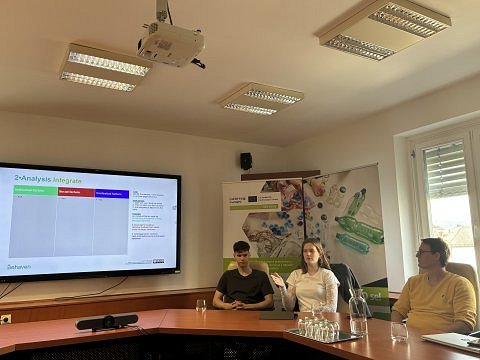
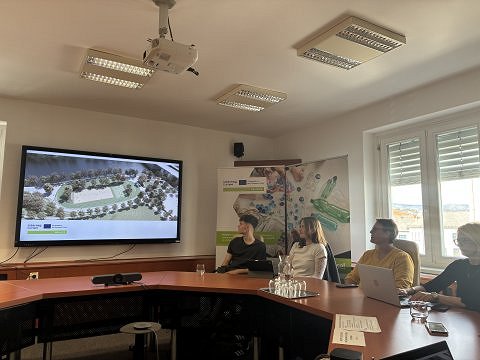
Public parks and shared spaces were discussed as environments where behaviour is strongly influenced by design choices. Stakeholders pointed out that littering often occurs not because of indifference, but due to poorly visible waste bins, unclear signage or infrastructure that does not match users’ actual needs.
The discussion around Park Loka illustrated a broader point: visitors will inevitably bring packaging and drinks with them, but thoughtful placement of bins, clear visual cues and accessible drinking water points can significantly increase the likelihood that waste is disposed of correctly or taken away.
Events as laboratories for behavioural change
Public events featured prominently in the discussion, as they generate large amounts of waste over a short period of time and clearly expose the gap between sustainability ambitions and practice.
Stakeholders acknowledged recurring challenges, including visitor confusion about sorting systems and continued reliance on single-use packaging. In response, a concrete and pragmatic solution was proposed: the introduction of a shared mobile dishwashing unit with reusable cups that could be borrowed by different event organisers. Such a system would reduce waste at source while remaining feasible in terms of costs and organisation.
Social factors matter
Beyond infrastructure, participants stressed that behaviour is shaped by social dynamics. Especially among young people, avoidance of standing out often limits overtly “green” behaviour. As a result, humour, positive messaging and simple incentives were identified as more effective tools than strict enforcement.
Past examples showed that even modest rewards or playful approaches can significantly improve participation in reuse systems.
From stakeholder input to local policy improvement
The insights gathered during the meeting will feed directly into the improvement of local waste management regulations and other relevant policy documents in Novo mesto. In line with the objectives of the BEHAVE project, selected practices and findings will also be shared with project partners and published on the Interreg Europe platform to support learning across regions.
A first milestone
The first stakeholder meeting confirmed that effective waste prevention policies must be rooted in an understanding of real behaviour. By engaging organisations that work closest to citizens’ everyday routines, BEHAVE in Novo mesto has established a solid foundation for developing measures that are both realistic and impactful.
Further stakeholder engagement and follow-up activities will continue as the project progresses towards implementation.
Stay up to date
Stay up to date with the latest developments, insights, and results from the BEHAVE Project—follow the BEHAVE newsletter and the BEHAVE LinkedIn Profile to be part of the journey towards smarter, more sustainable behaviour.
back